
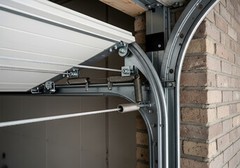
Every time your garage door rises and falls, a pair of tightly wound springs does the heavy lifting, carrying the full weight of a door that can tip the scales at several hundred pounds. Those springs are easy to overlook until the day they snap and your door refuses to budge. That is usually when homeowners start asking how long do garage door springs last, and whether a replacement could have been scheduled before the inconvenient breakdown. If you are already facing a stuck door, our team handles garage door repair in Wausau, WI and can help get you moving again.
The honest answer is that spring lifespan depends on a handful of factors, and understanding them helps you plan ahead instead of reacting to an emergency. In this guide, we will walk through the typical life expectancy of garage door springs, the signs that yours are wearing out, and what you can do to squeeze more years out of them.
How Long Do Garage Door Springs Last on Average?
Garage door springs are not rated in years but in cycles. A single cycle is one full open and one full close of the door. Most standard torsion springs are built to handle roughly 10,000 cycles, which translates to somewhere between seven and nine years for the average household that opens the door three or four times a day. Homes with a very busy garage, where the door opens many times daily, may wear through those cycles in as little as four or five years.
So when people ask how long do garage door springs last, the real variable is how often the door is used. A family with teenage drivers, a home-based business, or a garage that doubles as the main entry to the house will cycle the door far more than a household that leaves through the front door most days. Higher-cycle springs are available and worth considering if your door sees heavy traffic, since they are engineered to last considerably longer.
What Affects Spring Lifespan
Usage frequency is the biggest factor, but it is far from the only one. Climate plays a meaningful role in central Wisconsin, where cold winters can place additional stress on aging garage door components. Springs are under constant tension, and repeated use combined with harsh seasonal conditions can contribute to fatigue over the years.
Rust is another quiet enemy. Moisture and road salt that drifts into the garage can corrode the coils, weakening the metal and shortening its working life. Installation quality matters too. Springs that are improperly sized for the door, or a system that was never balanced correctly, will wear unevenly and fail sooner than a properly fitted setup. Lack of lubrication is another preventable contributor, since friction between moving components can increase wear. Proper maintenance helps protect the spring system's performance over time.
Warning Signs Your Springs Are Wearing Out
Springs can fail suddenly, but some garage door systems show warning signs before a complete breakdown. Paying attention to these clues can mean the difference between a planned replacement and a door that unexpectedly becomes unsafe to operate. Keep an eye out for the following:
- The door feels heavier than usual or struggles to open, forcing the opener to work harder.
- You hear loud popping, grinding, or squeaking noises during operation.
- The door opens a few inches and stops, or slams down faster than normal.
- You can see a visible gap or separation in the spring coil, which indicates it has already broken.
- The door hangs crooked or appears out of balance when partially open.
A professional technician can check the door's balance and spring tension to determine whether the system is operating properly. The U.S. Consumer Product Safety Commission warns that an improperly balanced garage door can unexpectedly fall, potentially causing serious injury. If your door suddenly feels unusually heavy, sags, or struggles to open, avoid forcing it or disconnecting the opener to test it manually. Because springs hold enormous tension, we strongly recommend leaving adjustments, balance testing, and replacements to trained technicians rather than attempting a fix yourself.
Should You Replace One Spring or Both?
Many garage doors use two torsion springs, and when one breaks, homeowners often wonder whether replacing just the failed one will save money. In most cases, replacing both at the same time is the smarter choice. The springs were installed together and have endured the same number of cycles, so if one has reached the end of its life, the other may be close behind. Replacing both springs on a two-spring system can help prevent another unexpected failure and maintain balanced operation.
Replacing both springs at once means you avoid a second service call in the near future and keep the door balanced, since mismatched springs with different wear levels can strain the opener and the rest of the hardware. It also extends the time before you have to think about this issue again. If your opener has been laboring against failing springs, it is worth having a technician inspect the garage door opener and related components in Wausau, WI at the same time to make sure the extra wear has not caused other problems.
How to Make Your Springs Last Longer
You cannot stop springs from eventually wearing out, but regular maintenance can help them reach their expected service life. One valuable habit is proper lubrication. Using a garage-door-specific lubricant according to the manufacturer's maintenance instructions can reduce friction and help moving components operate smoothly. If you are unsure which parts need lubrication or how to access them safely, have a technician handle the maintenance.
Beyond lubrication, it pays to keep the whole system in good condition. Rollers, hinges, and tracks that bind or stick force the springs to work harder than they should. An annual professional tune-up catches small issues early, confirms the door is balanced, and gives a technician a chance to spot rust, fraying, or fatigue before a spring breaks unexpectedly. For more upkeep tips throughout the year, our blog covers seasonal maintenance in detail. Keeping the garage reasonably dry and controlling salt and moisture during Wisconsin winters also goes a long way toward preventing corrosion.
When It Is Time to Call a Professional
If your springs are showing their age, or if one has already snapped, replacement is not a job to put off or tackle alone. The high tension stored in garage door springs can cause serious injuries if released unexpectedly, which is why this particular repair is best left to experienced hands. A professional can also confirm that the replacement springs are correctly rated for your door's weight and usage, so you are not back in the same situation a year or two down the road.
Knowing how long do garage door springs last gives you a realistic expectation, but a hands-on inspection tells you exactly where your door stands today. Whether you need routine maintenance or a full replacement, our team provides dependable garage door services in Wausau for both homes and businesses across the region.
To recap, most standard springs are rated for about 10,000 cycles, which often translates to roughly seven to nine years with typical household use. Usage, climate, rust, and maintenance all influence their actual lifespan. Watch for heaviness, strange noises, and imbalance, replace springs in pairs when appropriate, and keep the system properly maintained to get the most out of it. As a trusted garage door company in Wausau and the surrounding communities, A Plus Doors is ready to answer your questions and keep your door working safely. Reach out to our team to schedule a professional garage door spring inspection or repair whenever you want an experienced set of eyes on your springs.