
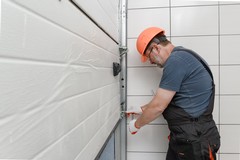
Wisconsin winters have a way of finding every gap, crack, and uninsulated surface in your home, and for many households the garage is one of the biggest energy offenders. If your garage feels like an icebox in January and an oven in July, your garage door is often the culprit. A thin, hollow metal panel does very little to hold back the cold, which is why so many homeowners start asking the same practical question: how do i insulate a garage door without creating a bigger problem than they started with? If your door is damaged or struggling to seal properly, it may be worth scheduling garage door repair in Wausau before you add insulation on top of underlying issues.
Insulating a garage door is one of the most rewarding home repairs you can tackle, both for comfort and for your energy bills. Done correctly, it reduces temperature swings, cuts down on noise, and can even extend the life of items you store in the garage. Done incorrectly, it can throw off your door's balance and strain the opener. Below, we walk through how to approach the project the right way.
Why Garage Door Insulation Matters More Than People Think
The garage is often the largest uninsulated opening in a home, and in colder climates that matters a great deal. An uninsulated door allows heat to escape in winter and radiant heat to build up in summer, forcing any attached living spaces to work harder to stay comfortable. If your bedroom sits above the garage or shares a wall with it, you have probably felt the difference firsthand.
Insulation is measured by R-value, which indicates how well a material resists heat transfer. A higher R-value means better performance. Beyond temperature control, an insulated door also dampens outside noise and adds a layer of rigidity that helps the panels resist dents and warping over time. For many homeowners, these benefits make insulation one of the smartest and most affordable upgrades available.
How Do I Insulate a Garage Door? Choosing the Right Material
When people ask how do i insulate a garage door, the first decision comes down to the insulation material itself. Each option has strengths and trade-offs, and the right choice depends on your budget, your climate, and how much time you want to invest.
- Foam board (polystyrene): Rigid panels that offer excellent R-value and are relatively easy to cut and fit into door sections. A popular choice for colder regions.
- Reflective foil: Thin, lightweight sheets that reflect radiant heat. Easy to install and great for managing summer heat, though generally lower in R-value.
- Fiberglass batts: Inexpensive and widely available, these fit into panel cavities but should be faced or covered to prevent fibers from loosening.
- Pre-cut insulation kits: Designed specifically for garage doors, these take much of the guesswork out of sizing and materials.
For most Wisconsin homes, foam board or a quality insulation kit delivers the best balance of performance and ease. Reflective foil can be a smart addition in combination with other materials, but on its own it rarely provides enough thermal resistance for our cold months.
Preparing for the Project
Before you cut a single panel of insulation, clean the inside of each door section so adhesive and retainer clips will hold properly. Measure every panel individually, because garage door sections are not always identical in size. Dust, grease, and old residue can keep insulation from staying in place, so a quick wipe-down goes a long way.
You will also want to gather the right tools: a tape measure, a utility knife or straightedge cutter, gloves, and either double-sided tape or the retainer clips that come with most kits. Working in a well-ventilated space and taking your time with measurements will save frustration later. If you want to understand your full range of door options before committing, our overview of residential garage doors in Wausau is a helpful place to start.
Installing the Insulation the Right Way
Once your panels are measured and cut slightly oversized for a snug fit, press each piece into the corresponding section of the door. With foam board or kit panels, retainer clips hold the insulation in place without sagging over time. Fiberglass batts should be faced inward and secured so the material does not sag or shed into the garage.
A critical step that homeowners often overlook is weatherstripping. Even the best-insulated panels will underperform if cold air pours in around the edges. Check the bottom seal, the side jambs, and the top of the door for gaps, and replace any worn stripping. Addressing the seals and the panels together is what transforms a drafty door into a genuine barrier against the weather.
After insulating, test the door. Added weight can change how the door balances on its springs. If the door feels heavy, struggles to open, or the opener strains, the spring tension may need adjustment. This is one area where professional help pays off, because improperly tensioned springs are dangerous to handle. Our team can help with spring adjustments, and you can learn more about the mechanical side of your system through our garage door openers.
Common Mistakes to Avoid
The most frequent error is adding too much weight without accounting for the door's balance. When homeowners ask how do i insulate a garage door safely, the honest answer includes respecting the limits of the existing springs and opener. Overloading the system shortens its lifespan and can create a safety hazard.
Another mistake is ignoring air leaks. Insulation slows heat transfer, but it cannot stop drafts from flowing through gaps in the seals. Skipping the weatherstripping step undercuts the entire project. Finally, some people insulate an old, damaged, or poorly fitting door that really should be replaced. If your door is cracked, badly out of alignment, or decades old, investing in a new, factory-insulated unit often delivers better results than retrofitting.
When to Call in the Professionals
Plenty of homeowners successfully insulate their own doors, but there are moments when professional guidance saves time and money. If your door shows signs of damage, if the springs need adjusting after insulation, or if you are simply not sure how do i insulate a garage door for your specific model, it makes sense to bring in experts who work with these systems every day. A balanced, properly sealed door protects your investment and keeps your opener running smoothly for years.
For homeowners considering a full upgrade, a factory-insulated door delivers consistent R-values and tighter seals than most retrofits can achieve. If you are weighing that option, professional garage door installation ensures the door is sized, mounted, and balanced correctly from day one. As a trusted garage door company in Stevens Point, we serve Wausau and the surrounding areas with repair, insulation guidance, and new installations tailored to Wisconsin's demanding climate.
Insulating your garage door is a practical, high-value home repair that pays off in comfort, quieter operation, and lower energy costs. Start by choosing the right material, measure carefully, seal the edges, and always confirm your door remains balanced afterward. When you want expert help or a professional assessment before you begin, reach out to our team and we will point you in the right direction.